22/04/2026
Each year, Earth Day returns with the same question: what progress has actually been made?
In 2026, the answer is less straightforward than it once seemed. Across the fashion industry, priorities are shifting under pressure. Tariffs, geopolitical tensions, and ongoing supply chain disruption are forcing brands to focus on resilience, margins, and operational survival.
Sustainability hasn’t disappeared — but it’s no longer the dominant narrative. In many cases, it has moved into the background, absorbed into broader conversations around sourcing, compliance, and risk management. At the same time, new regulations — particularly in Europe — are raising the bar, making transparency and traceability less of a differentiator and more of a requirement.
Against this backdrop, progress is uneven.
And yet, some brands continue to treat sustainability as a core part of how they operate. Not as a headline, but as an ongoing commitment — reflected in production choices, material sourcing, and the pace at which collections are developed.
This Earth Day at LE NEW BLACK, we’re celebrating a selection of brands that continue to prioritise responsible practices, navigating today’s shifting global landscape while keeping long-term impact in focus.
Local Production & Responsible Manufacturing
Local and responsible production remains one of the most concrete ways for brands to maintain control over their impact. By working closer to their supply chains, investing in skilled communities, and producing in smaller volumes, these brands are embedding responsibility directly into how their collections are made.
Homecore ↘
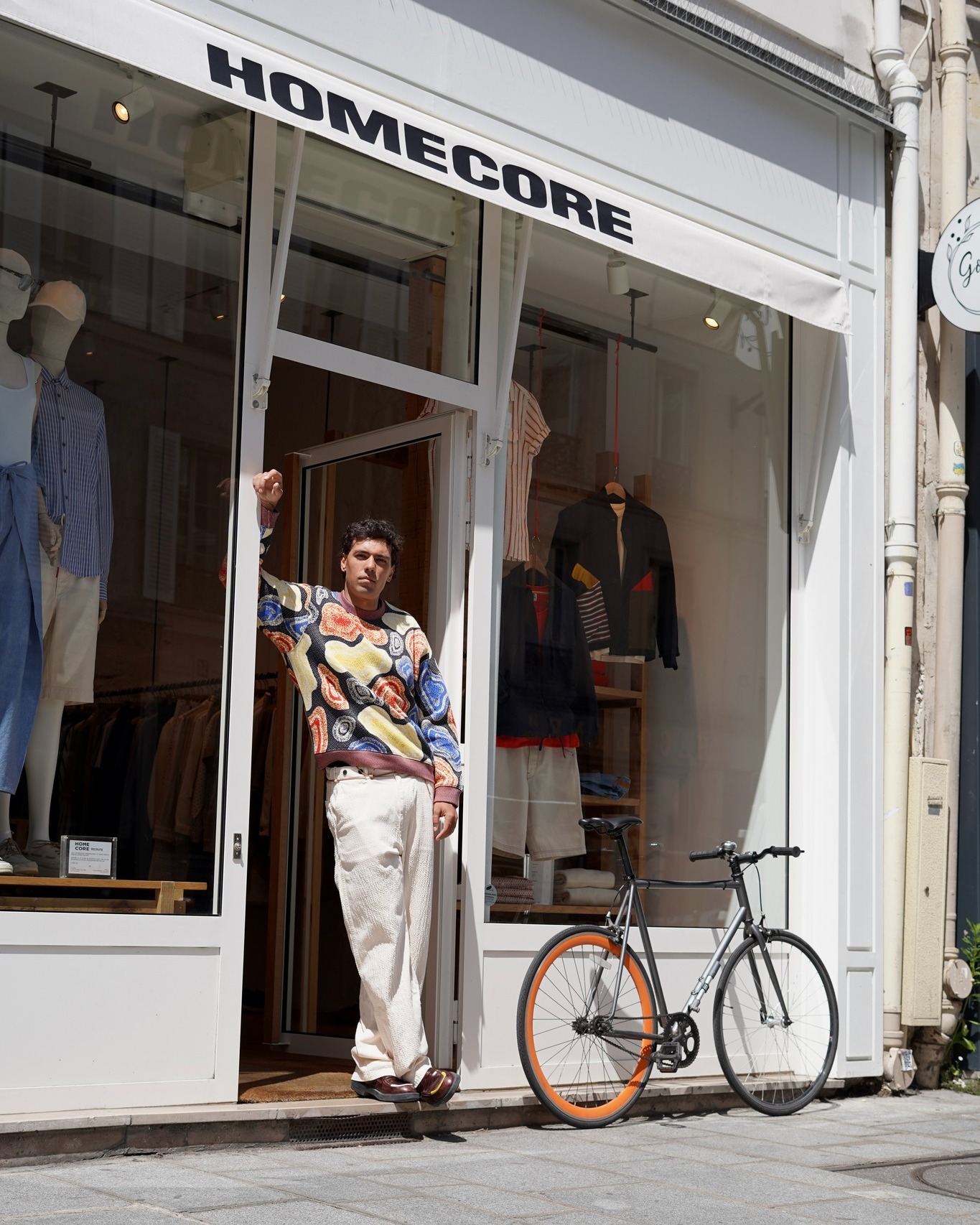
Since its founding, Homecore has maintained a human-first philosophy, building long-term relationships with European manufacturers rather than pursuing scale at any cost. Its approach favours stability and respect across the supply chain, ensuring that production remains aligned with its founding values and its commitment to ethical, human-centred manufacturing.
Kardo ↘

Kardo operates on a “one garment, one artisan” model, where each piece is made start-to-finish by a single craftsperson and signed accordingly. Using handloom fabrics, natural dyes, and a fully traceable “from seed to stitch” system, the brand actively preserves traditional Indian textile techniques while supporting artisan livelihoods.
Wales Bonner ↘

Wales Bonner collaborates with specialist ateliers and artisan communities across Europe, Africa, and the Caribbean, integrating handcraft into its collections. This approach supports cultural preservation while enabling greater transparency and traceability across its supply chain.
V. De Vinster ↘

V. De Vinster works closely with artisan workshops, particularly in India, using handwoven fabrics and traditional dyeing techniques such as block printing. Its small-scale production model favours manual processes over industrial ones, reducing environmental impact while supporting craft communities.
Wolf & Rita ↘

Wolf & Rita produces entirely in Portugal, working with family-run factories and maintaining close control over its supply chain. This localised model reduces transport impact while enabling consistent oversight of production quality and conditions.
Responsible Materials & Product Longevity
Material selection and product lifespan are central to reducing fashion’s environmental footprint. By choosing better fibres and designing pieces that are made to last, these brands are addressing impact at both the beginning and end of a product’s life.
Bebe Organic ↘
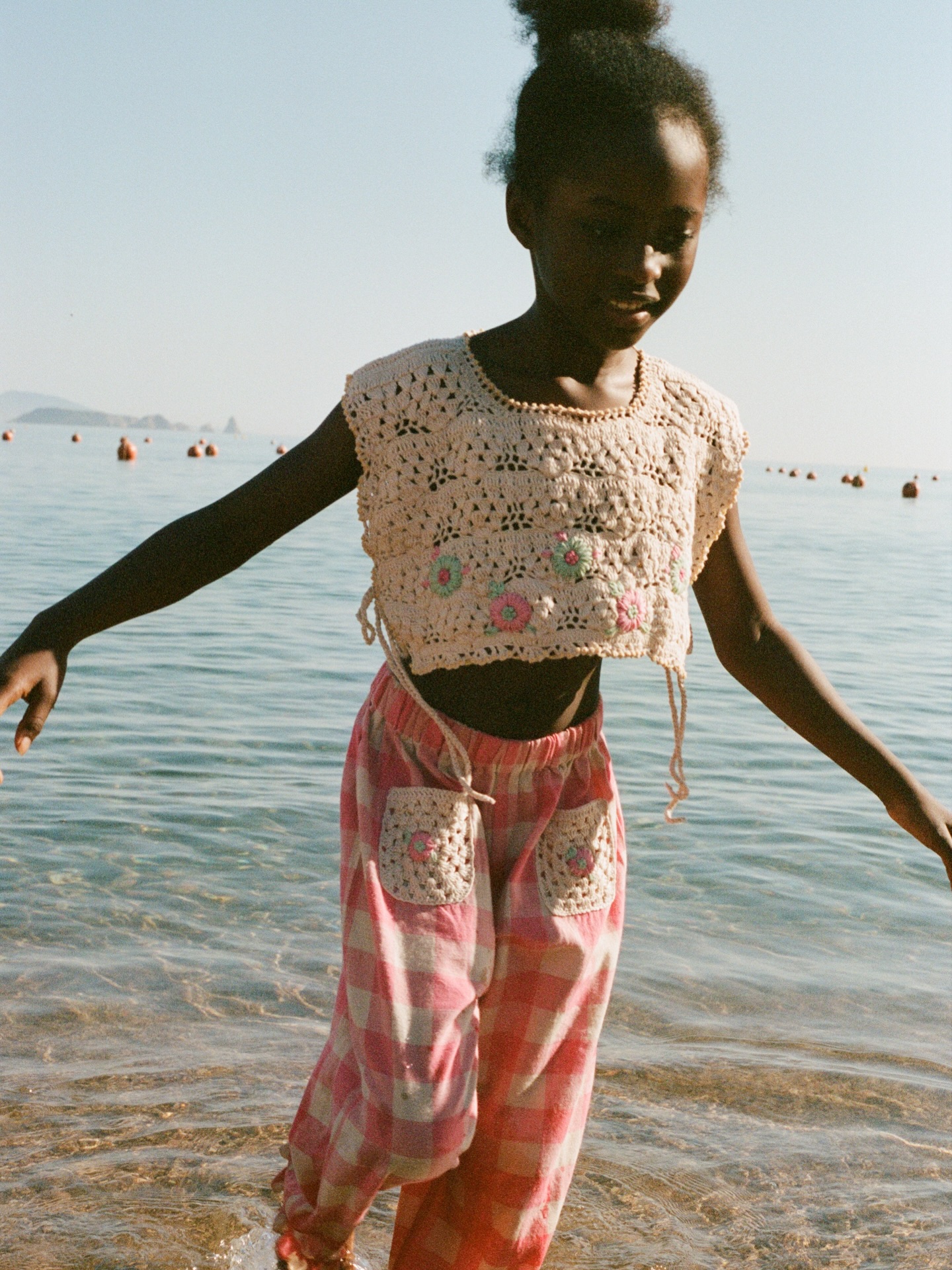
Bebe Organic uses certified organic fibres such as cotton and wool, producing in small batches to minimise waste. Its collections are designed to transcend seasons, supporting longer use and reducing turnover.
Birinit Petit ↘
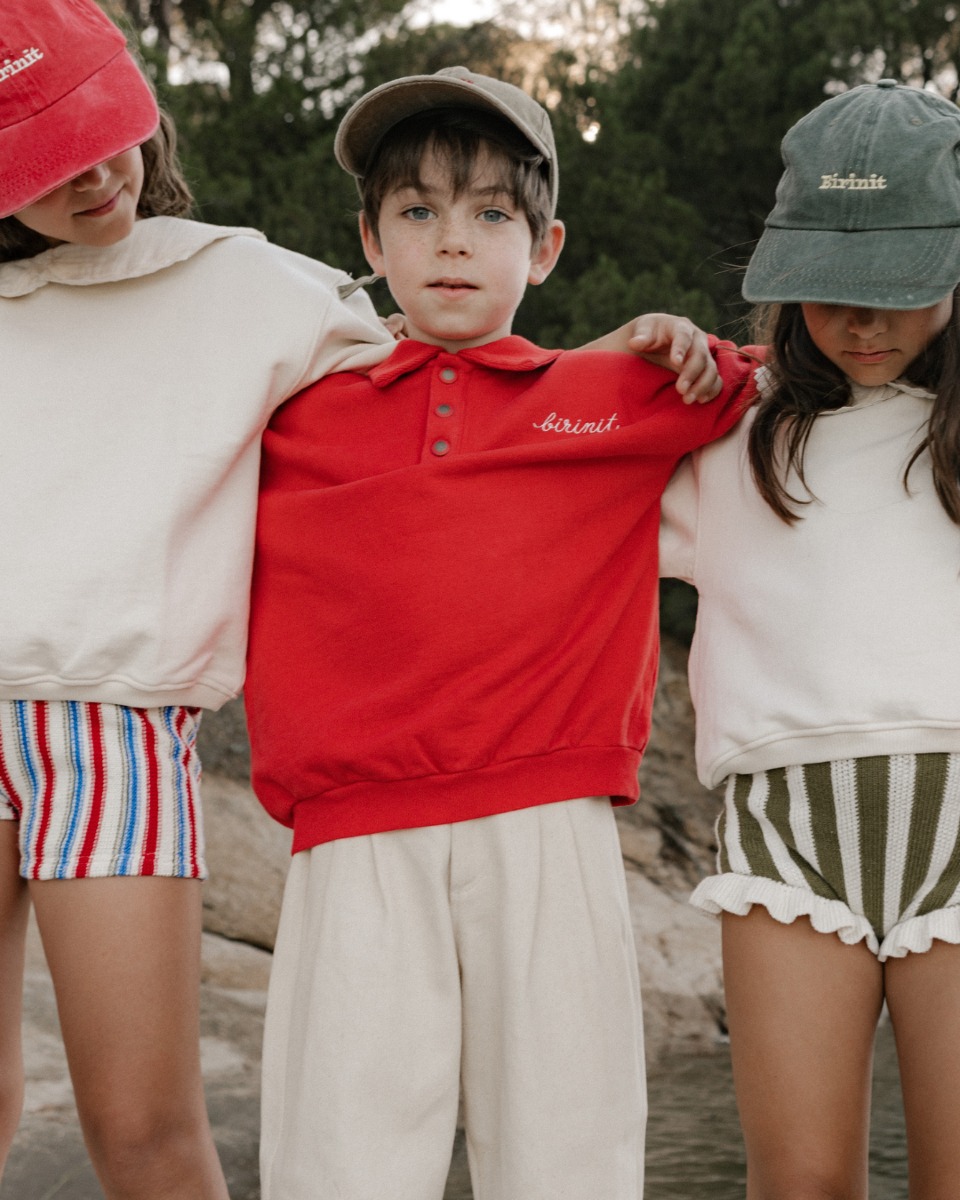
Birinit Petit works with natural fabrics and small-scale production runs to create collections that prioritise comfort and longevity. Its approach reflects a move away from fast, disposable childrenswear.
Eckhaus Latta ↘
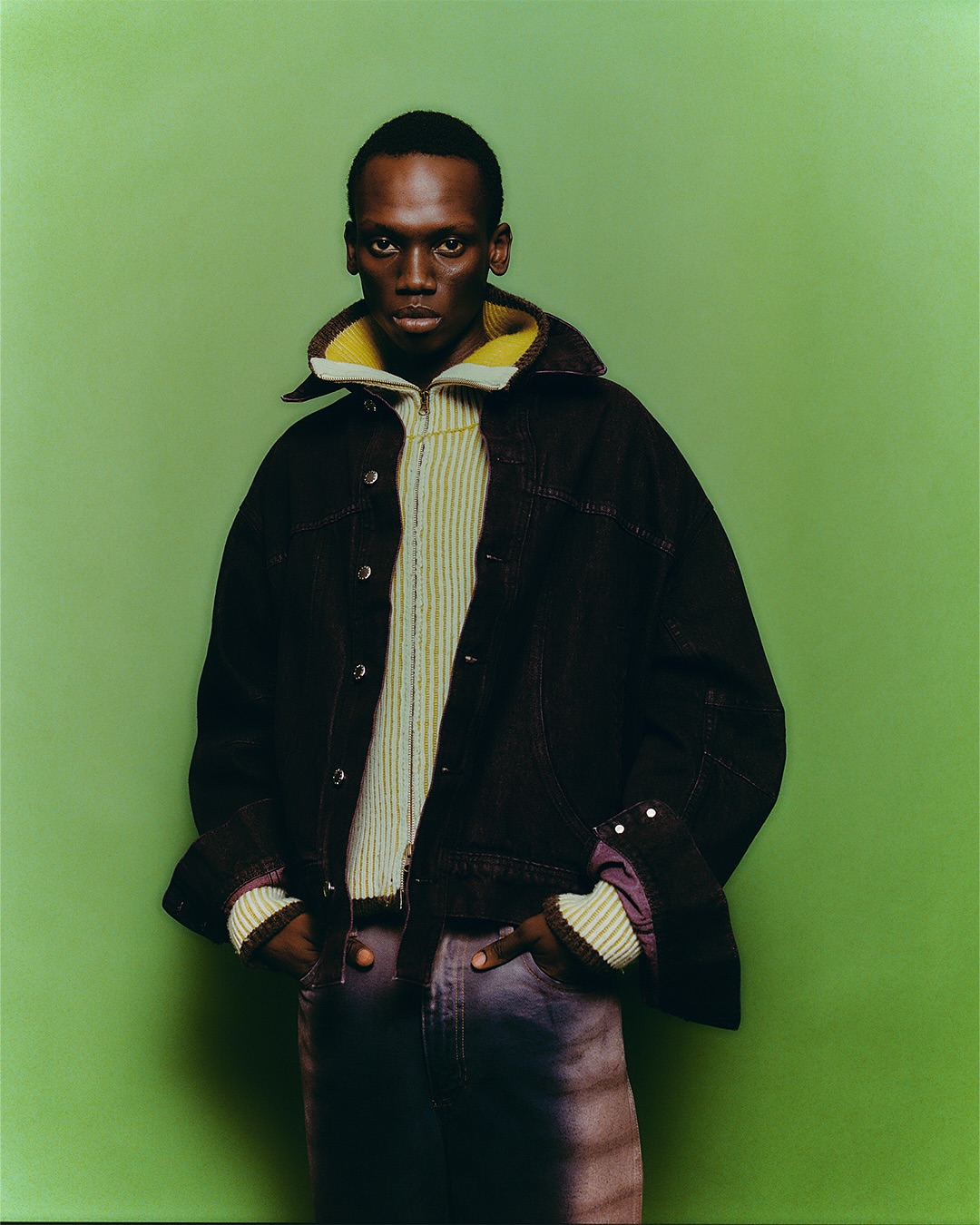
Eckhaus Latta is known for its experimental approach to materials, regularly exploring lower-impact textiles and alternative production methods. This ongoing research reflects a broader shift towards innovation in sustainable design.
Le Monde Sauvage ↘
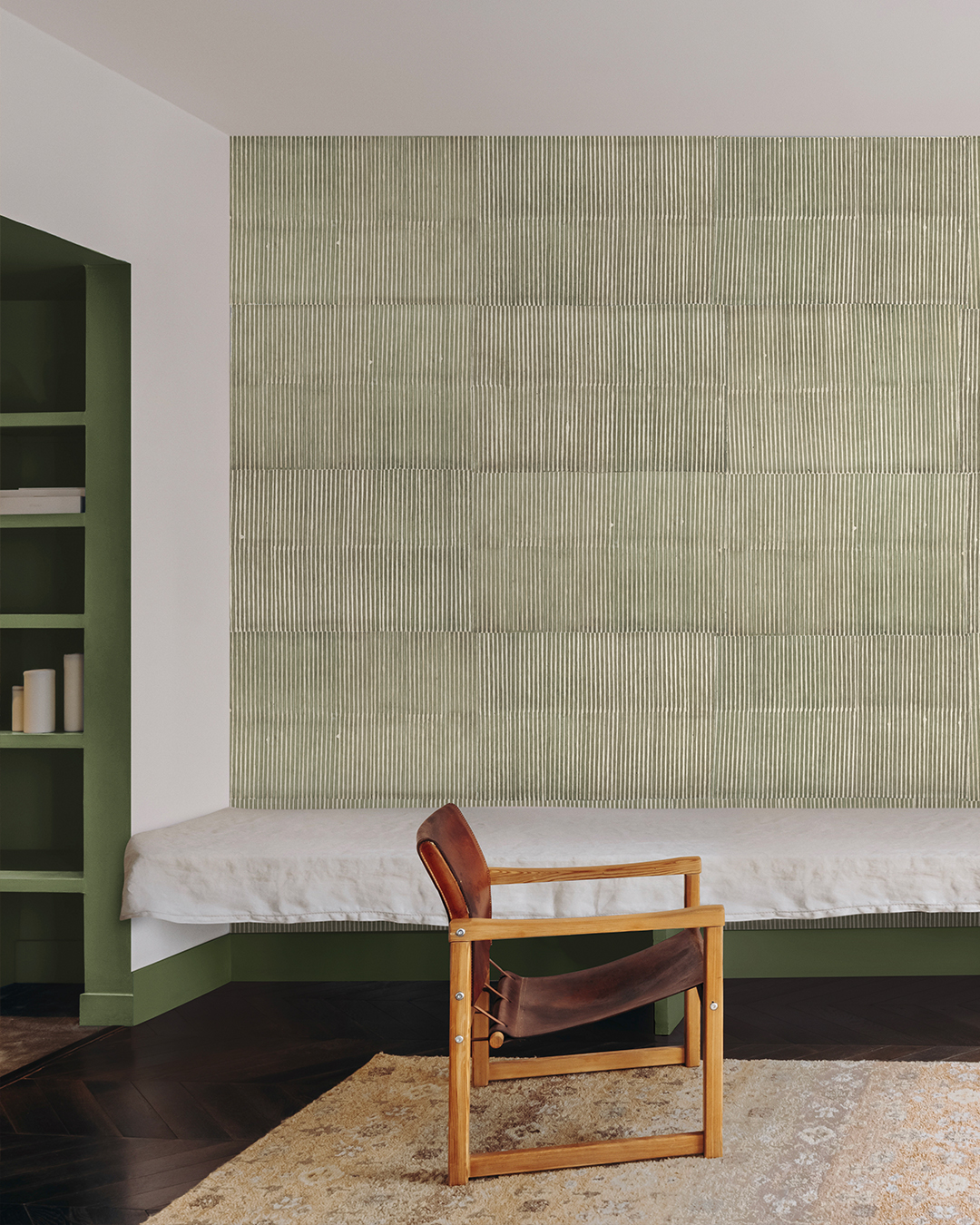
Le Monde Sauvage produces its collections using natural fibres such as linen and cotton, often handcrafted using traditional methods. By prioritising artisanal production and timeless home textiles, the brand encourages durability and a slower approach to consumption.
Circular Design & Reduced Waste
Reducing waste requires rethinking not only materials, but the entire lifecycle of a product. These brands are exploring circular approaches — from reusing existing textiles to producing in more controlled volumes — to minimise excess.
A.P.C. ↘

A.P.C. has progressively integrated organic cotton into its collections, particularly within its denim line, while maintaining a strong focus on timeless design that encourages long-term wear. The brand also promotes circularity through its Butler denim programme, which repairs, resells, and recycles worn jeans, extending their lifecycle beyond the initial purchase. Alongside this, A.P.C. continues to refine its sourcing and production practices, favouring durable materials and a more measured approach to volume.
Bode ↘
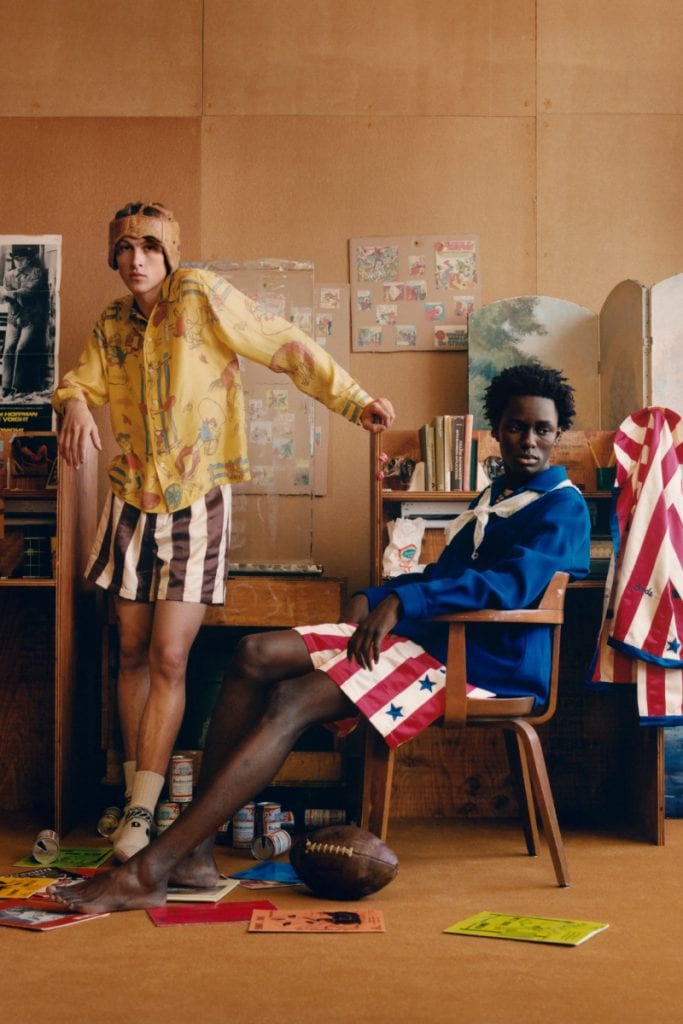
Bode builds its collections using antique textiles, vintage fabrics, and deadstock materials, transforming them into one-of-a-kind garments. This model eliminates the need for new raw materials while preserving the history embedded in each piece.
The Campamento ↘

The Campamento produces in Europe and uses a mix of organic and recycled fibres across its collections. Its approach combines small-scale production with playful, durable design, aiming to reduce waste through both materials and volume control.
Main Story ↘

Main Story focuses on organic cotton and limits production volumes to avoid overstock. Its design approach prioritises everyday essentials that can be worn repeatedly, reducing the need for frequent replacement.
Tinycottons ↘

Tinycottons incorporates organic cotton into its collections and maintains controlled production runs to avoid excess inventory. Its focus on quality basics supports a more responsible consumption model.